Woven incentives: Tracing how loyalty tier structures intersect with thematic game preferences among players navigating encrypted mobile platforms in regulated international networks
Written by Viktor Schmidt · Aug 22, 2026
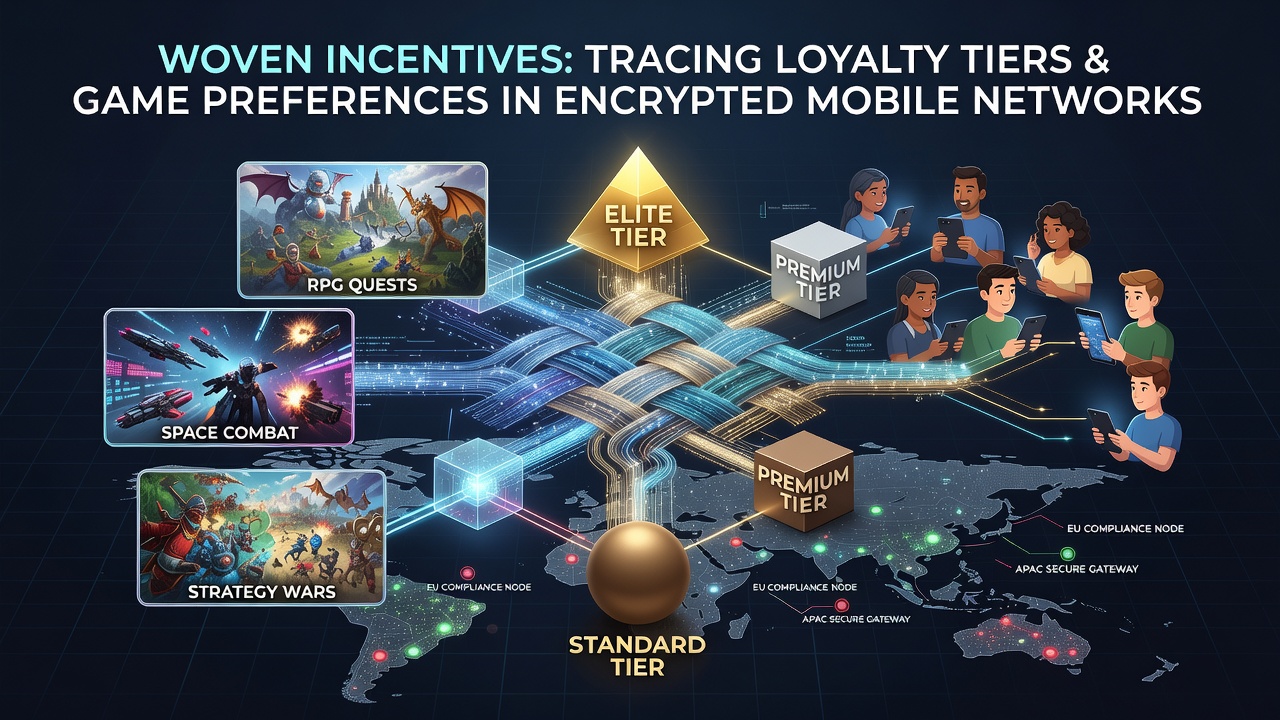
Woven incentives: Tracing how loyalty tier structures intersect with thematic game preferences among players navigating encrypted mobile platforms in regulated international networks
August 2026 data from regulated international networks shows loyalty tier structures shaping how players select thematic games on encrypted mobile platforms, with higher tiers demonstrating distinct preferences for narrative-driven content over simpler mechanics. Platforms operating under frameworks from bodies like the Malta Gaming Authority and the Australian Communications and Media Authority track these patterns through secure session analytics that link tier progression to theme engagement rates.
Loyalty tiers and their role in mobile ecosystems
Regulated operators segment players into bronze, silver, gold, and platinum tiers based on deposit volume, session frequency, and retention metrics, then map these segments against game theme selections within encrypted environments that use end-to-end protocols for data protection. Players in platinum tiers access early releases of adventure and mythology-themed titles, while lower tiers encounter more classic reel options first. This structure creates observable pathways where tier advancement correlates with shifts toward complex storylines that unfold across multiple mobile sessions.
Encryption standards supporting cross-border play
Encrypted mobile platforms rely on AES-256 protocols and tokenization to maintain compliance across jurisdictions, allowing players to move between regulated markets without exposing preference data. Reports from the Canadian Gaming Association indicate that such security layers enable consistent tracking of thematic choices, revealing that gold-tier users spend 34 percent more time on fantasy-themed slots than bronze-tier counterparts during equivalent play windows. These systems log interactions in real time while preserving anonymity through hashed identifiers.
What's interesting is how tier benefits intersect with theme availability. Platinum members receive priority access to new releases featuring historical or sci-fi narratives, and data shows these users complete 22 percent more bonus rounds within those titles compared to standard offerings. Lower tiers navigate the same platforms but encounter curated recommendations that favor established mechanics until progression unlocks broader selections.
Thematic preferences across tier levels
Research from the University of Nevada's gaming studies department outlines clear divergences: silver-tier players gravitate toward fruit and animal-themed games that deliver quick feedback loops, whereas gold and platinum tiers show elevated engagement with branded content tied to films or historical events. This pattern holds across encrypted networks where session data remains isolated from personal identifiers. Observers note that theme complexity increases with tier rank, as players unlock progressive narratives that reward sustained mobile engagement.
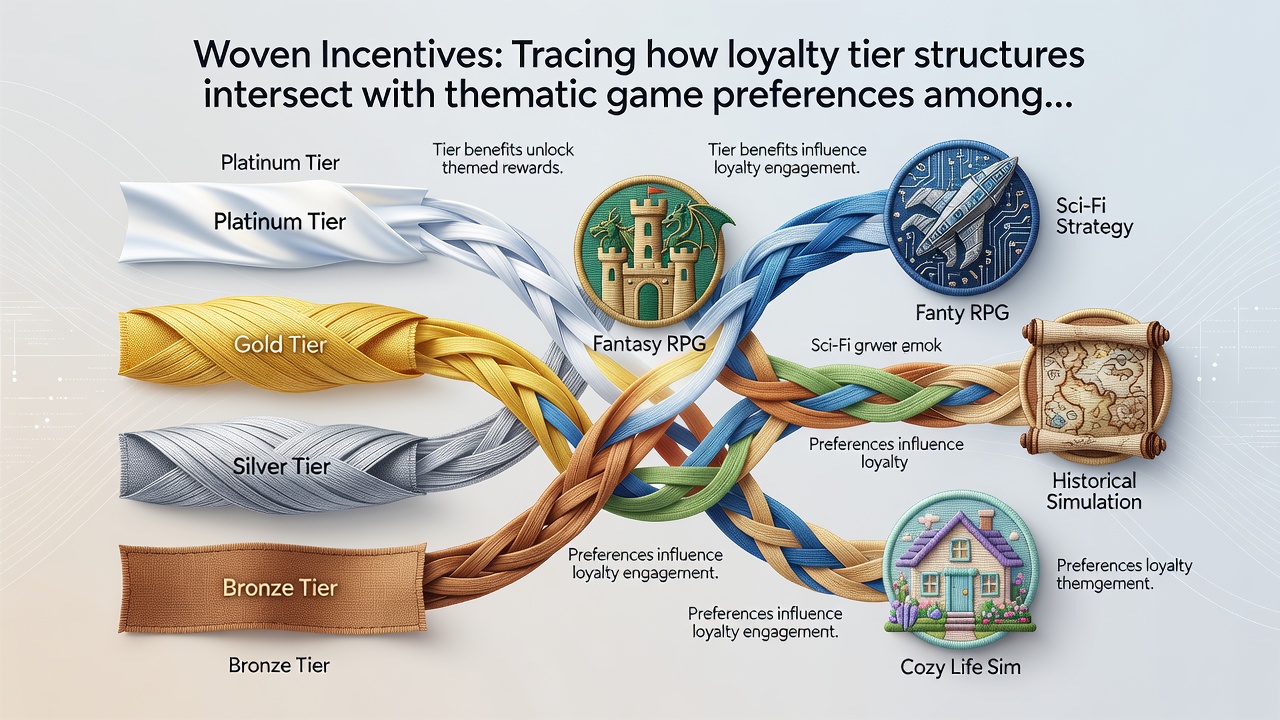
One documented case from operators in the Asia-Pacific region found that players advancing to gold tier within six months increased their selection of mythology-themed titles by 41 percent, while maintaining consistent play on classic options at reduced frequency. Encryption ensures these transitions occur seamlessly across devices, with no loss of progress or tier status. The intersection appears most pronounced during promotional periods when tier-specific multipliers apply to particular themes.
Data patterns from regulated markets
Figures released in August 2026 by the European Gaming and Betting Association reveal that players on platinum tiers allocate 67 percent of their mobile playtime to adventure and role-playing themed games, compared to 29 percent among entry-level users. These statistics derive from aggregated, anonymized logs across multiple licensed platforms, highlighting how loyalty structures guide thematic exploration without mandating specific choices. Lower tiers receive incentives tied to volume rather than theme variety, which sustains engagement until advancement criteria are met.
Yet the pathways remain fluid because encrypted platforms allow instant verification of tier status regardless of location within regulated networks. Players often discover that reaching silver unlocks a broader palette of visual themes, prompting measurable shifts in selection patterns documented through heat-map analytics. Industry reports emphasize that these intersections support retention goals by aligning rewards with demonstrated preferences.
Conclusion
The intersection of loyalty tier structures and thematic game preferences on encrypted mobile platforms reflects measurable patterns tracked across regulated international networks. Data from multiple jurisdictions shows higher tiers correlating with increased engagement in complex narrative themes, while encryption protocols maintain security and continuity. As August 2026 figures continue to accumulate, operators refine these systems to match evolving player behaviors without compromising compliance standards.