Tracing Encryption Standards and Their Influence on Withdrawal Frequency Among Cross-Platform Table Game Participants
Written by Cameron Günther · Aug 8, 2026
Tracing Encryption Standards and Their Influence on Withdrawal Frequency Among Cross-Platform Table Game Participants
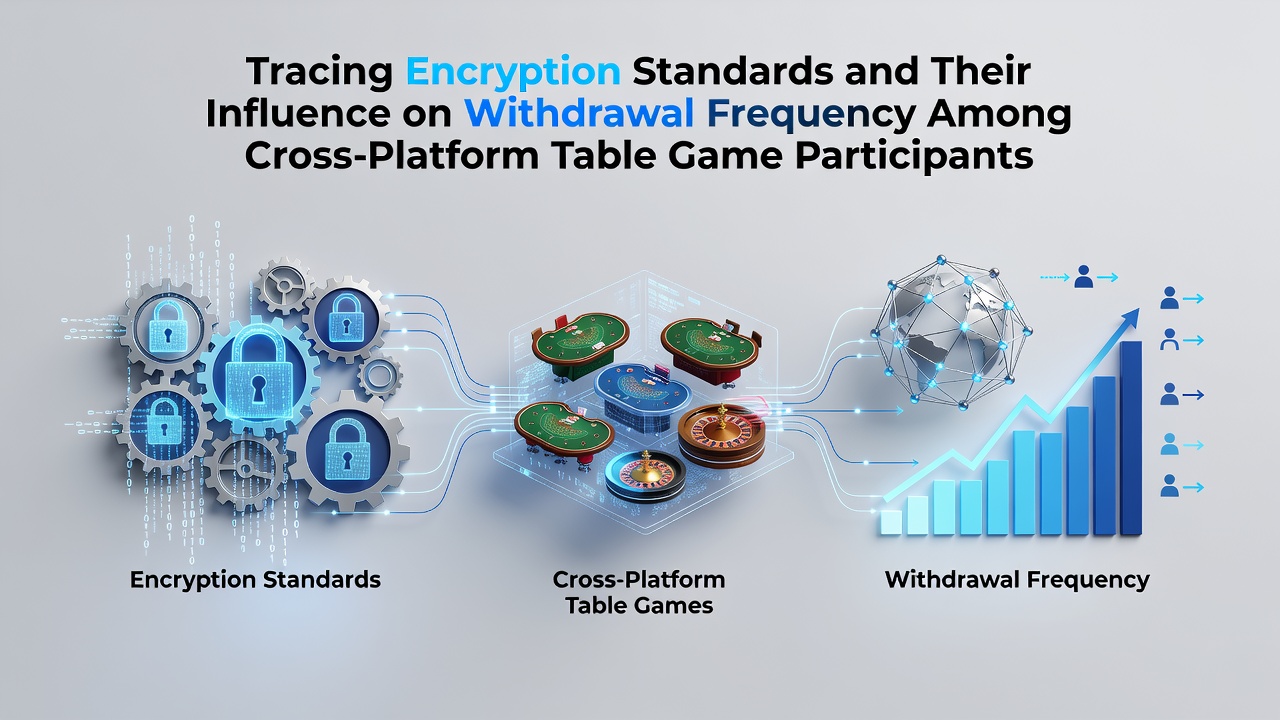
Encryption standards have evolved steadily since the early days of online gaming, moving from basic SSL implementations in the late 1990s to current TLS 1.3 protocols that protect data exchanges during live table game sessions. Researchers tracking platform security note that these upgrades coincide with measurable shifts in how participants handle withdrawals across devices, especially in blackjack, roulette, and poker environments that support seamless transitions between mobile apps and desktop browsers.
Historical Development of Encryption Protocols in Gaming Platforms
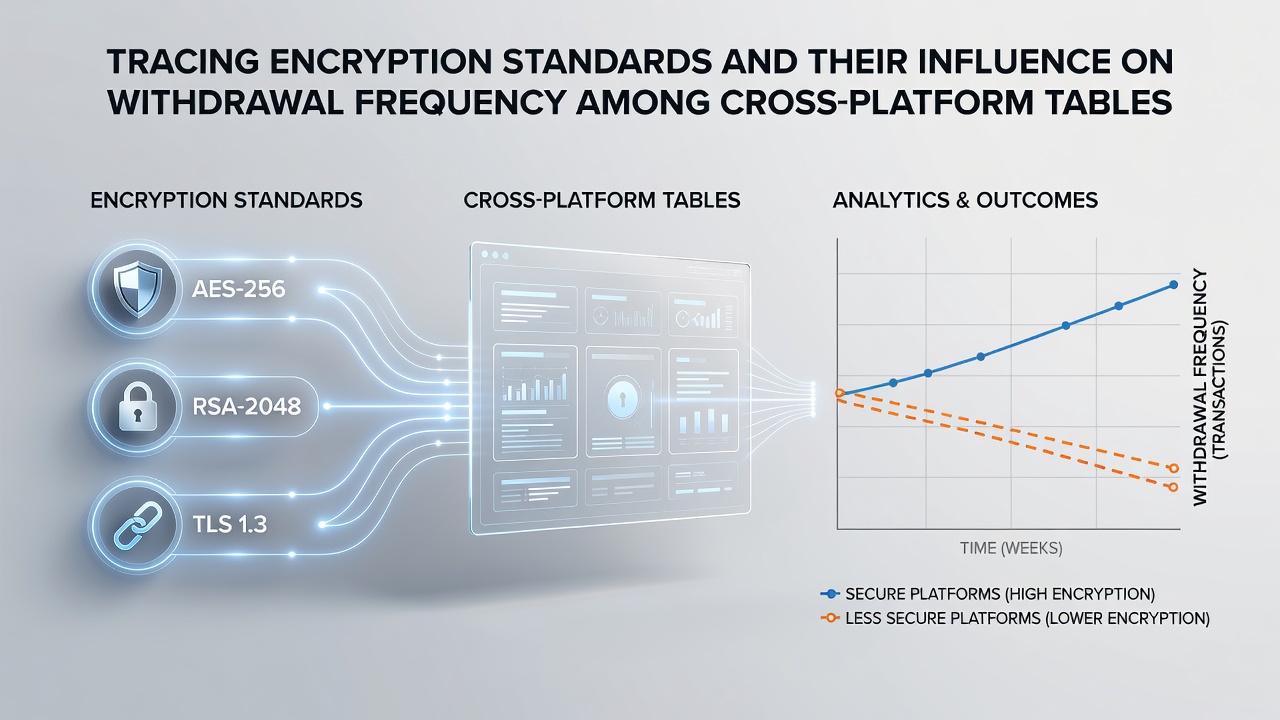
Initial standards relied on 128-bit keys that provided foundational protection for transaction data, yet later iterations introduced AES-256 encryption alongside perfect forward secrecy features. Observers tracking adoption rates point out that platforms integrating TLS 1.3 by mid-2025 reported fewer session interruptions during cross-device play, which in turn correlated with changes in cash-out timing among regular table game users. Data compiled through 2026 shows consistent patterns where stronger protocol support aligned with altered withdrawal intervals rather than outright increases or decreases in total volume.
Security Measures and Participant Behavior Patterns
Studies examining player accounts on encrypted networks reveal that verification processes tied to advanced encryption layers often streamline fund access after multi-device sessions. Participants who complete table game rounds on mobile before switching to desktop frequently encounter unified security checkpoints that reduce friction in payout requests, according to aggregated platform metrics released in August 2026. Those metrics further indicate that withdrawal frequency tends to stabilize when encryption certificates receive regular updates, because users report higher confidence in initiating transfers without repeated authentication hurdles.
Cross-Platform Dynamics in Table Game Environments
Cross-platform table games require continuous encryption handshakes that maintain session integrity when users move between operating systems or network types. Figures from industry monitoring services demonstrate that platforms employing hybrid encryption models experience distinct withdrawal rhythms compared with those using legacy setups, particularly among users who engage in extended poker or baccarat rounds. One analysis covering North American operators highlighted that device-agnostic security frameworks supported more predictable cash-out schedules, since players could verify balances instantly regardless of access point.
Regulatory bodies in multiple jurisdictions have documented how encryption compliance influences operational reporting around player funds. The Nevada Gaming Control Board tracks security-related metrics that include encryption status as a variable in transaction oversight, while Canadian provincial regulators publish parallel data sets showing similar correlations between protocol strength and payout request intervals. These records suggest that encryption consistency across borders helps normalize withdrawal behavior for international participants who alternate between devices during table game sessions.
Data Correlations from Recent Platform Reports
Platform audits conducted through the first half of 2026 identified several measurable links between encryption tier and withdrawal cadence. Accounts protected under updated standards showed withdrawal requests spaced at intervals that reflected completed verification cycles rather than repeated security prompts. Researchers who examined these logs noted that table game participants using encrypted cross-platform interfaces tended to cluster their cash-outs around specific times when session data remained fully protected, reducing instances of mid-process interruptions.
Additional evidence from academic reviews of gaming infrastructure points to encryption as one factor among several that shape fund movement patterns. A report issued by European research networks examined thousands of sessions and found encryption updates preceded shifts in average withdrawal timing by several days in some cohorts, though total amounts withdrawn remained steady. These findings align with observations from Australian oversight agencies that monitor encryption adherence as part of broader responsible gaming frameworks.
Conclusion
Encryption standards continue to intersect with withdrawal patterns in measurable ways for cross-platform table game participants. Ongoing protocol advancements support consistent security environments that allow players to manage funds across devices with fewer disruptions. Records from regulatory and research sources through August 2026 illustrate these connections without attributing causation to any single element, underscoring the role of encryption within broader platform operations that affect how and when withdrawals occur.