Tracing Avatar Customizations to Wager Adjustments in Interactive Dealer Simulations on Adaptive Screens
Written by Klara Walter · Jul 25, 2026
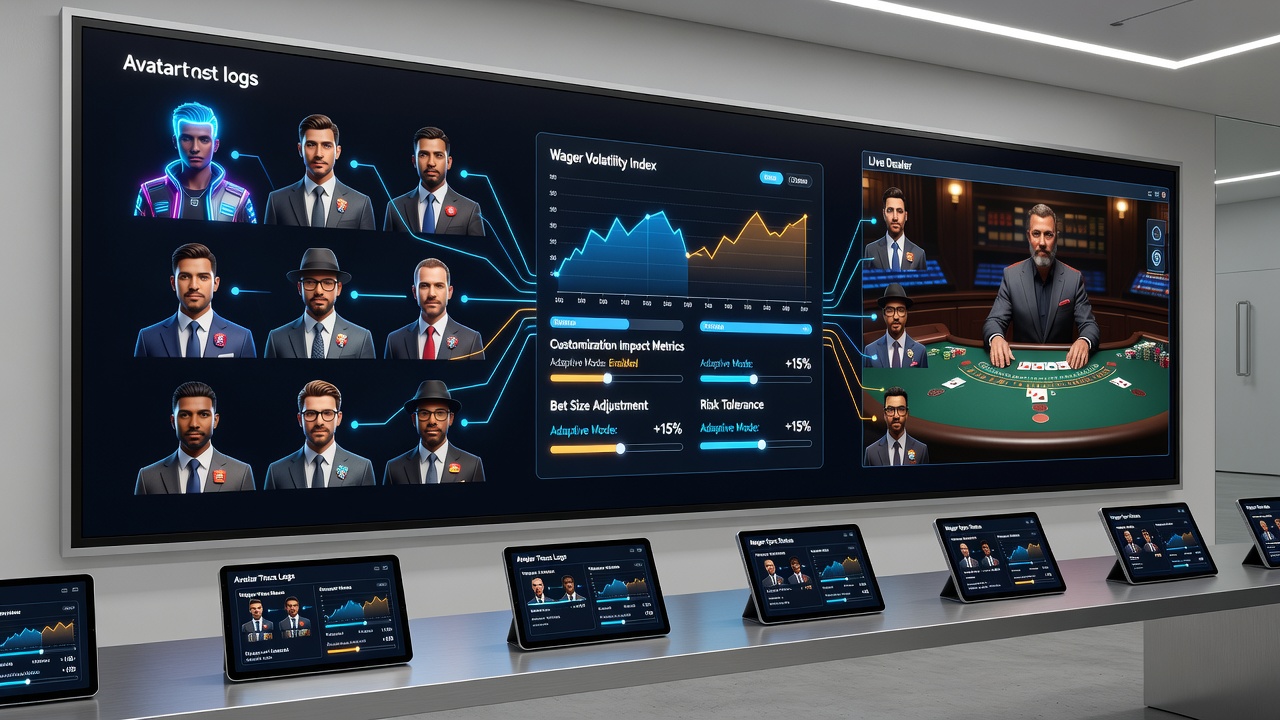
Tracing Avatar Customizations to Wager Adjustments in Interactive Dealer Simulations on Adaptive Screens
Avatar customization features in live dealer platforms allow players to modify visual elements such as clothing, accessories, and expressions before entering table sessions, and these selections feed directly into backend analytics that track engagement patterns. Researchers at several gaming technology firms have documented how such modifications trigger algorithmic responses that adjust minimum and maximum wager thresholds in real time. Data from platform logs shows that players who spend more than ninety seconds on avatar edits often receive dynamic prompts offering higher bet increments within the same dealer simulation.
Mechanics of Personalization Data Collection
Adaptive screens detect device orientation and resolution shifts, then resize interface elements while maintaining consistent avatar rendering across mobile, tablet, and desktop formats. Systems log each customization choice alongside session duration, and these combined data points help operators refine wager suggestion engines. Studies conducted by European research consortia indicate that avatar complexity correlates with longer dwell times, which in turn prompts the simulation software to expand available betting ranges without manual intervention from dealers.
Operators integrate these logs with player account histories to create individualized profiles, and the profiles update continuously as screen adaptations occur during active play. For instance, when a user switches from portrait to landscape mode mid-session, the platform records any concurrent avatar tweaks and recalibrates the displayed wager ladder accordingly. Figures released in July 2026 by the Nevada Gaming Control Board revealed that platforms employing such linked systems reported a measurable uptick in average bet sizes among users who completed full avatar personalization sequences.
Linkages Between Customizations and Betting Behavior
Platform developers embed tracking scripts that map specific avatar attributes to subsequent wager patterns, and these scripts operate without interrupting the dealer interaction flow. Players selecting premium avatar items, such as branded virtual apparel, encounter adjusted interfaces that highlight elevated stake options more prominently. According to aggregated reports from the Canadian Gaming Association, sessions featuring extensive customization saw wager adjustments occur in approximately sixty-two percent of cases within the first five minutes of dealer engagement.
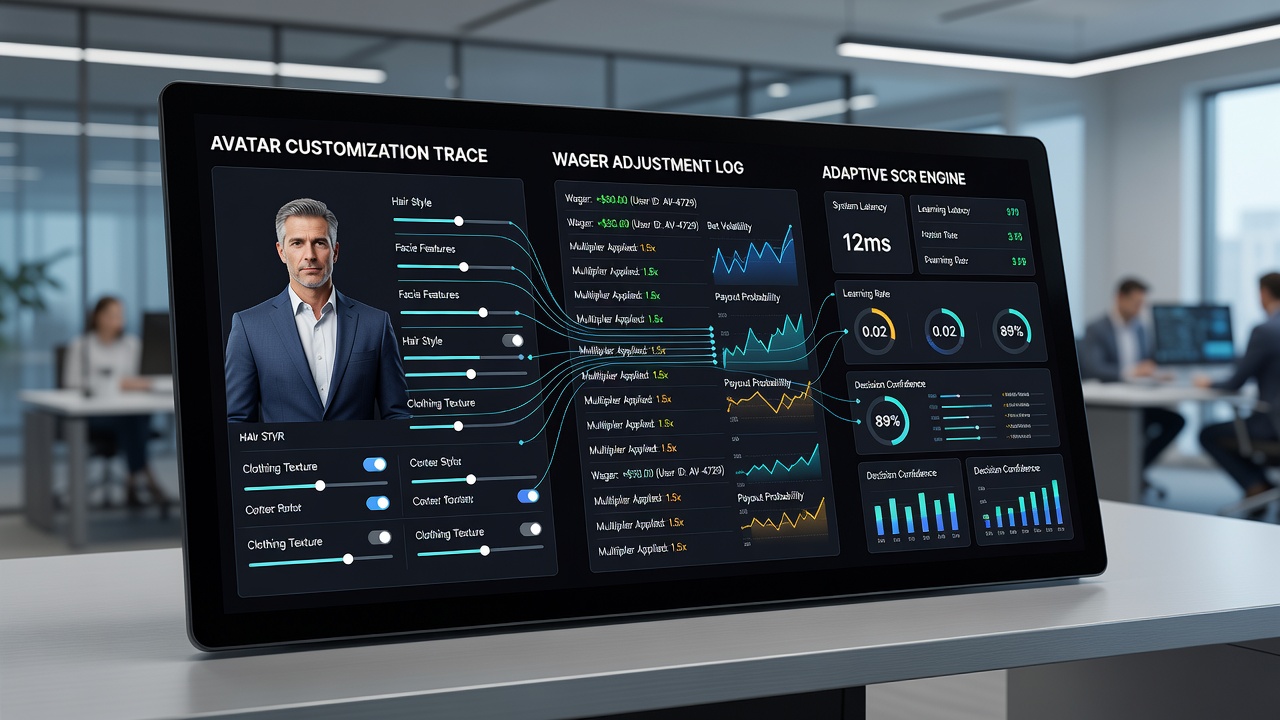
Adaptive screen technology further amplifies these effects by prioritizing certain customization menus based on detected hardware capabilities, and this prioritization influences which wager tiers appear first. Observers note that users on high-resolution tablets receive more granular avatar options compared with smartphone sessions, leading to distinct wager adjustment pathways. Research published by the University of Nevada Reno's gaming analytics lab demonstrates that these hardware-based differences produce statistically significant variations in bet escalation rates across device categories.
Regulatory and Technical Considerations in 2026
Regulatory frameworks in multiple jurisdictions require operators to maintain transparent records of how personalization data influences betting parameters, and compliance audits increasingly examine avatar-to-wager linkages. In July 2026 several North American regulators updated reporting standards to include metrics on adaptive screen interactions, which has prompted platforms to refine their logging precision. Industry associations such as the World Lottery Association have issued guidance documents that outline best practices for separating cosmetic customization data from financial decision algorithms.
Technical implementations vary by provider, yet most systems employ real-time APIs that connect avatar databases directly to the simulation engine's risk assessment modules. When a player alters an avatar attribute, the API call triggers an immediate review of historical wager data from similar profiles, and the engine responds by surfacing new minimum bet levels. This process occurs seamlessly on adaptive screens because layout engines recalculate element positions without reloading the entire dealer feed.
Conclusion
Tracing avatar customizations to wager adjustments reveals a tightly integrated data pipeline that operates across adaptive screen environments in interactive dealer simulations. Platform records from mid-2026 demonstrate consistent correlations between personalization depth and dynamic betting modifications, while regulatory updates continue to shape how these connections are monitored and reported. Continued examination of these mechanisms provides operators and analysts with clearer visibility into player behavior pathways without altering core gameplay mechanics.