Shifting interfaces: how adaptive layouts influence strategic timing in cross-platform table game sessions
Written by Viktor Schmidt · Jun 6, 2026
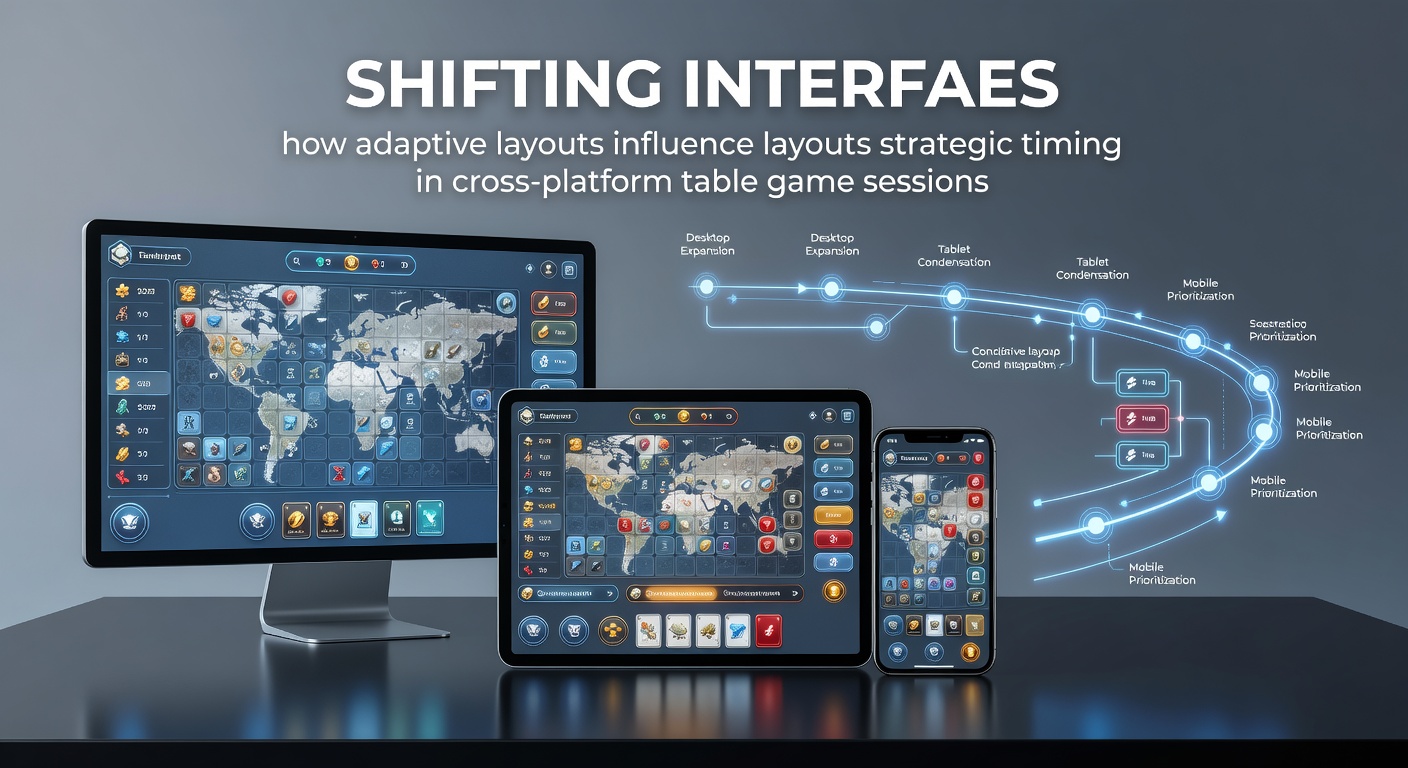
Shifting interfaces: how adaptive layouts influence strategic timing in cross-platform table game sessions
Adaptive layouts reshape how table game interfaces respond to different screen sizes and input methods, which in turn alters the pace at which players evaluate options and commit to decisions in games such as blackjack, roulette, and baccarat. These dynamic designs resize elements, reposition betting controls, and adjust information density so that the same session remains functional whether accessed from a desktop monitor, a tablet, or a smartphone.
Mechanics of Adaptive Layouts in Table Games
Developers implement fluid grids and media queries that detect device characteristics and rearrange components accordingly. On larger screens the full betting grid, card history, and statistical overlays appear simultaneously, whereas on smaller displays teh system collapses secondary panels into expandable menus or swipeable tabs. This reorganization changes the sequence in which players encounter data, because critical information such as remaining deck composition or recent spin results may require an extra tap or scroll on mobile devices.
Input handling also shifts. Desktop versions accept precise mouse clicks on small chip denominations, while mobile versions enlarge touch targets and introduce gesture-based controls. The transition between these modes occurs in real time as users move between devices, requiring the game engine to maintain session state without resetting timers or bet limits.
Effects on Decision Timing
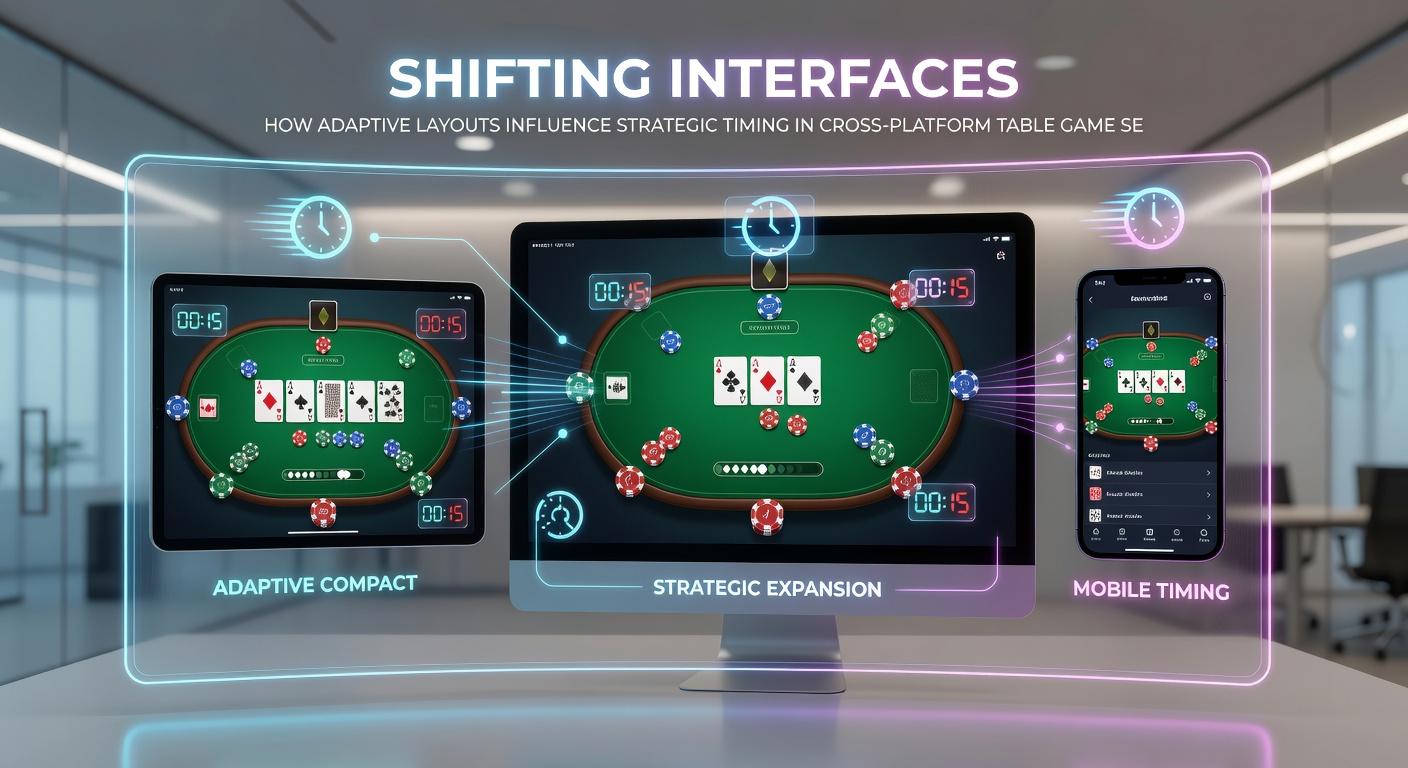
Strategic timing refers to the interval between receiving game information and submitting an action. When an adaptive layout compresses multiple data panels into a single scrollable area, players spend additional seconds locating the required statistic before acting. In contrast, desktop layouts that keep all elements visible reduce visual search time, allowing faster responses during time-sensitive rounds.
Research conducted by the Canadian Institute for Gaming Research indicates that average decision latency in mobile blackjack sessions increases by 1.8 seconds when players must expand a side panel to view the running count. The same study recorded a corresponding decrease in latency when the identical session transferred to a desktop interface with persistent side panels.
Cross-Platform Session Continuity
Operators now maintain synchronized back-end states that preserve hand history, active bets, and time-stamped decisions across platforms. A player who begins a roulette round on a desktop computer can continue the same wheel on a mobile device minutes later, yet the interface encountered on the second device presents a condensed view of previous outcomes. This compression forces the player to reconstruct context mentally, which can shift the timing of subsequent wagers.
Observers note that live dealer tables introduce an additional layer because real-time video feeds must also adapt. Bandwidth constraints on mobile networks sometimes trigger lower-resolution streams, which in turn reduces the clarity of dealer gestures and card reveals. Players compensate by waiting for additional confirmation frames before placing bets, extending the overall cycle time per round.
Market Data as of June 2026
Industry figures released in June 2026 show that 67 percent of table game volume now originates from mobile sessions, up from 54 percent recorded twelve months earlier. The Australian Communications and Media Authority reported that cross-platform continuity features contributed to a 22 percent rise in average session length for table games during the first half of 2026. These longer sessions coincide with increased use of adaptive layouts that automatically adjust to device orientation changes mid-round.
Platform switching occurs most frequently during peak evening hours, when players move from desktop workstations to mobile devices while commuting. Data logs indicate that decision intervals lengthen by an average of 12 percent immediately after such switches, then gradually return to baseline as users adapt to the new layout.
Interface Adjustments and Player Behavior
Game providers have introduced optional layout presets that allow users to prioritize either speed or information density. One preset collapses animations and enlarges action buttons, which shortens decision windows in fast-paced variants such as speed baccarat. Another preset retains detailed statistics at the expense of larger controls, extending the time required to complete each round.
Those who have examined server logs observe that players who frequently switch devices tend to favor the speed-oriented preset on mobile while retaining the information-dense preset on desktop. This pattern suggests that adaptive systems now accommodate two distinct timing strategies within a single account.
Conclusion
Adaptive layouts continue to modify the temporal structure of table game play by altering how quickly information becomes accessible and how readily actions can be executed. As device usage patterns evolve through mid-2026, operators refine these systems to balance clarity with responsiveness, while regulatory bodies in multiple jurisdictions track the resulting changes in session metrics and decision latency.