Player Migration Patterns Between Jurisdictions and Their Effects on Bonus Redemption Rates Within Encrypted Platforms
Written by Cameron Günther · Aug 15, 2026
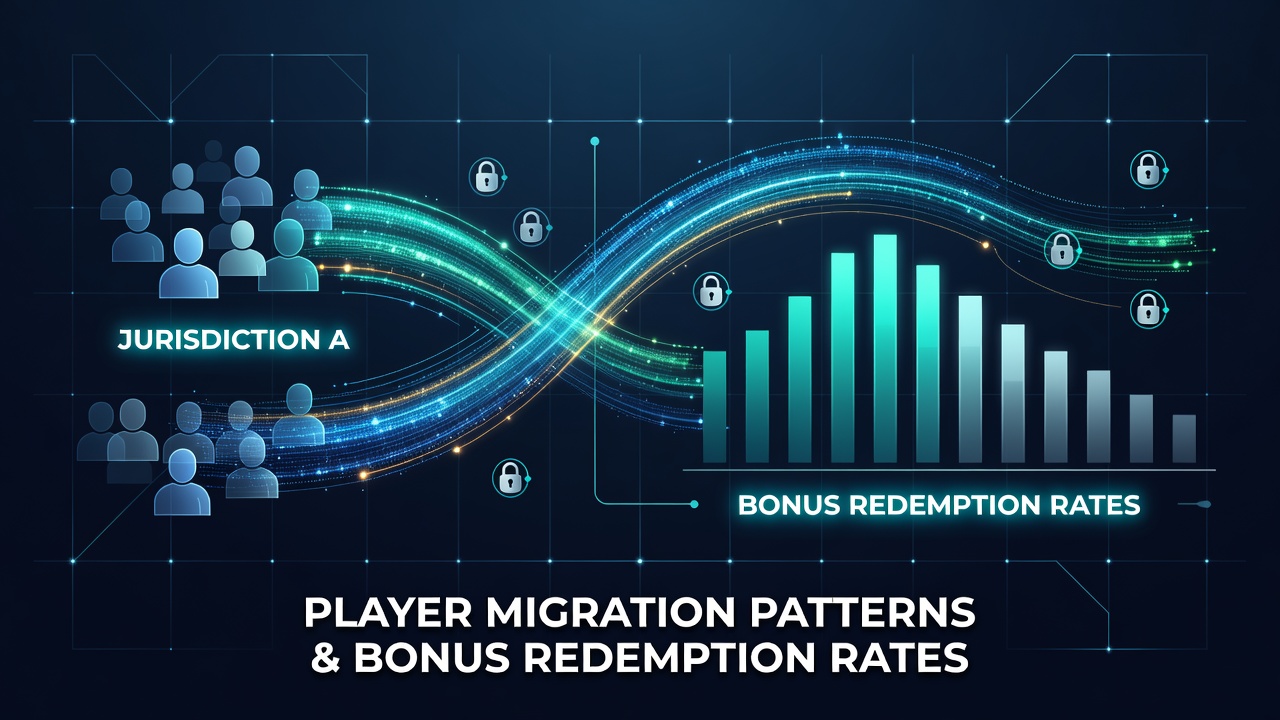
Player Migration Patterns Between Jurisdictions and Their Effects on Bonus Redemption Rates Within Encrypted Platforms
Players have shifted between regulatory environments at increasing rates throughout 2025 and into August 2026 as licensing rules, tax structures, and technology access vary sharply from one jurisdiction to another. These movements directly influence how bonus offers convert into actual redemptions on platforms that rely on encryption protocols to secure transactions and player data. Data from multiple regional oversight bodies show that cross-border activity clusters around locations where crypto-friendly policies intersect with advanced security standards.
Observers tracking these flows note that encrypted platforms experience measurable changes in redemption statistics whenever large groups relocate from high-regulation zones to areas with lighter oversight. The patterns emerge because players seek environments where bonus terms align more closely with their preferred payment methods and verification processes. Reports compiled by the Alcohol and Gaming Commission of Ontario indicate that migration volumes rose notably during the first half of 2026, with encrypted sites recording shifts in how promotional credits moved through their systems.
Jurisdictional Differences Driving Player Movement
Regulatory frameworks differ substantially across North America, Europe, and parts of Asia, creating clear incentives for relocation. Jurisdictions that permit broader use of encrypted wallets and blockchain-based verification tend to attract users who previously operated under stricter deposit and withdrawal rules. Meanwhile, regions tightening restrictions on sweepstakes-style promotions or imposing higher compliance costs see steady outflows. Those who study these movements point out that the timing often coincides with new legislation or updates to licensing requirements, such as the adjustments observed in several U.S. states and European markets during spring 2026.
Encrypted platforms handle these transitions through layered security measures that maintain transaction integrity regardless of the player's current location. Yet the same systems must adapt bonus mechanics when players cross into territories with different tax treatments or consumer protection standards. Figures from industry analyses reveal that redemption completion rates fluctuate by as much as 12 to 18 percent depending on the originating and destination jurisdictions involved.
Impact on Bonus Redemption Within Encrypted Environments
Bonus redemption rates on encrypted platforms respond directly to the verification and compliance layers required by each new jurisdiction. When players migrate from regions emphasizing centralized licensing to those accepting decentralized crypto solutions, the platforms often adjust eligibility windows and proof-of-residency checks. These adjustments can accelerate or delay redemption cycles because encrypted ledgers must reconcile with local reporting obligations. Research conducted by academic groups focused on digital finance and gaming shows that platforms using multi-signature encryption protocols maintain higher consistency in redemption outcomes even as player bases shift.

One pattern emerges when players move into jurisdictions that impose shorter bonus validity periods or additional anti-money-laundering screenings. Redemption rates typically decline until users adapt their account settings to meet the new requirements. Conversely, relocation toward more permissive crypto hubs correlates with faster processing times because fewer intermediaries stand between the encrypted wallet and the platform's payout engine. Data collected through 2026 demonstrates that these effects compound when multiple players follow similar migration routes simultaneously.
Encryption's Role in Managing Cross-Border Activity
Encryption technologies allow platforms to maintain consistent security standards while accommodating players from varied regulatory backgrounds. Advanced protocols encrypt both financial data and bonus tracking records, which reduces discrepancies that might otherwise arise during jurisdiction changes. Those monitoring platform performance note that sites employing end-to-end encryption report steadier redemption statistics compared with less protected systems, even when player locations change rapidly. The same infrastructure supports real-time reconciliation with different tax authorities without exposing sensitive player information.
Case examples from operators active in multiple markets illustrate how these systems function. When a cohort of players relocated from a North American state with strict bonus caps to a European jurisdiction allowing higher promotional values in mid-2026, the encrypted platforms adjusted redemption thresholds automatically while preserving ledger accuracy. Such adaptations kept overall redemption rates within predictable ranges despite the underlying movement.
Observed Trends Through August 2026
Tracking data compiled during the summer of 2026 shows continued migration toward jurisdictions that combine crypto acceptance with clear bonus disclosure rules. Platforms operating across these borders have refined their analytics to predict redemption shifts before they occur. Industry reports highlight that encrypted environments experience fewer disputes over bonus terms when players migrate because immutable records reduce ambiguity around eligibility and expiration. The patterns remain consistent across different platform sizes and geographic focuses.
Conclusion
Player migration between jurisdictions continues to reshape bonus redemption dynamics on encrypted platforms as regulatory landscapes evolve. The data collected through August 2026 confirms that encryption protocols help stabilize outcomes even as players move, yet redemption rates still vary according to the specific compliance demands of each destination. Operators and regulators alike monitor these flows to maintain system integrity across borders. Continued observation of these patterns will provide further insight into how encrypted gaming environments adapt to ongoing jurisdictional changes.