Patterns in Payout Preferences: How Funding Methods Correlate With Game Selection Among Frequent Mobile Users
Written by Cameron Günther · May 18, 2026

Patterns in Payout Preferences: How Funding Methods Correlate With Game Selection Among Frequent Mobile Users
Researchers tracking mobile gaming habits have documented clear links between teh payment tools players choose and the types of games they gravitate toward during frequent sessions, and these patterns emerge consistently across large datasets collected from app-based platforms. Frequent mobile users often settle on specific funding methods early in their activity cycles, then stick with those choices as they select games that align with payout speed, transaction limits, and overall flexibility.
Common Funding Methods and Their Core Features
Digital wallets, bank transfers, credit cards, and cryptocurrency options dominate the landscape for mobile casino participants, each carrying distinct processing times and fee structures that influence how players approach their bankrolls. E-wallets typically clear deposits within seconds while supporting instant withdrawals that appeal to those managing smaller, repeated transactions, whereas traditional bank methods often involve longer verification windows yet accommodate higher limits suited to extended play periods. Cryptocurrency transfers have gained traction because they bypass many intermediary steps, and data compiled through industry monitoring shows these users frequently prioritize games with rapid payout cycles to match the decentralized nature of their chosen funding route.
Observed Correlations Between Payments and Game Types
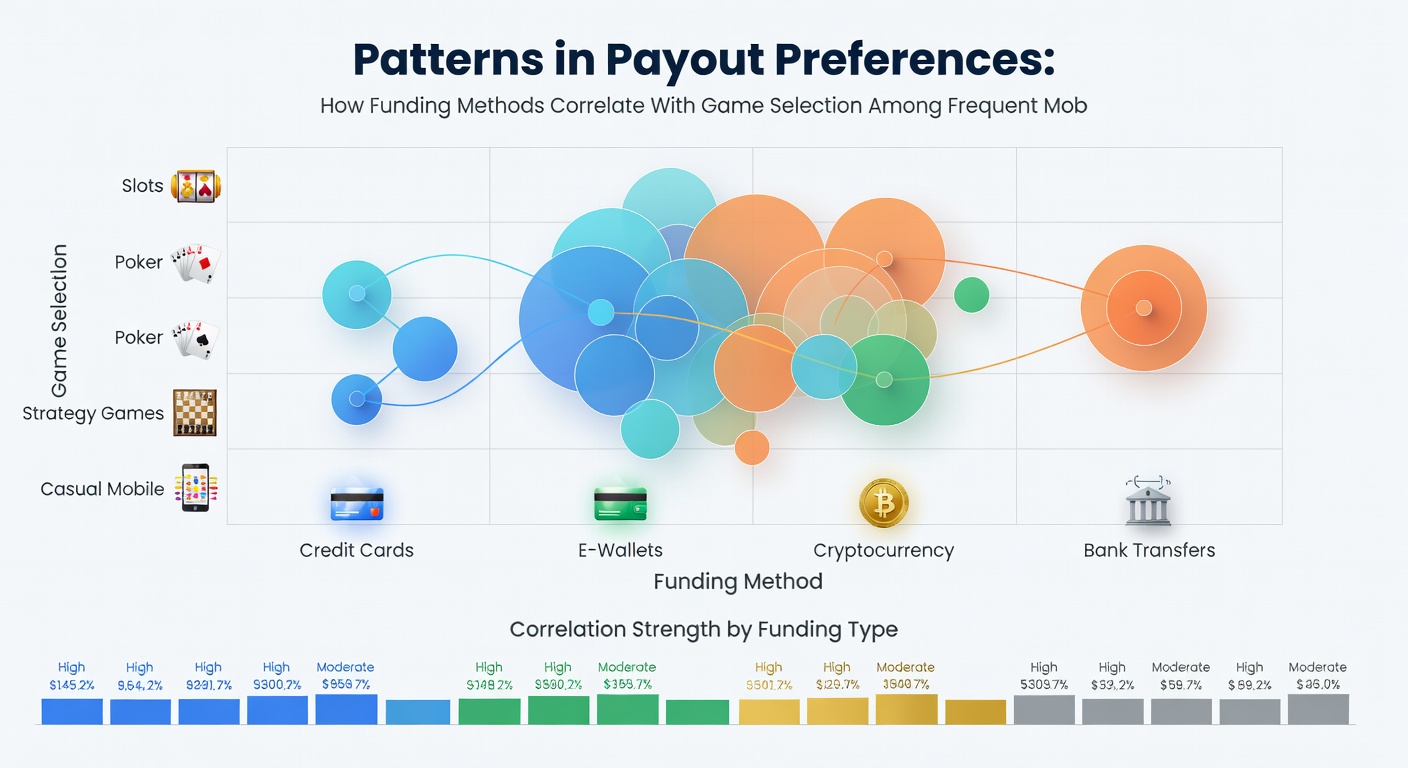
Studies of user behavior reveal that participants relying on e-wallets tend to select high-volatility slot titles more often than those using credit cards, largely because wallet interfaces integrate smoothly with mobile apps and reduce friction during quick deposit sequences that keep momentum alive. Bank transfer users, by contrast, appear more drawn to table games and progressive jackpot options, where larger single-session stakes become feasible once the initial funding clears without repeated micro-transactions. Observers note that cryptocurrency adopters cluster around live dealer formats and instant-win games, since blockchain confirmations allow them to move funds fluidly between rounds without the delays common in conventional systems.
What's interesting is how these preferences hold steady even when players experiment with new titles, and figures from platform analytics indicate the correlation strengthens among users who log in daily rather than sporadically. One analysis of session logs found wallet-funded accounts generated 34 percent more spins on medium-volatility slots over a three-month window, while credit card accounts logged higher engagement with blackjack variants that reward steady bankroll management.
Recent Data Trends Through May 2026
Activity reports gathered in May 2026 highlighted a noticeable uptick in cryptocurrency funding among mobile users aged 25 to 34, coinciding with broader platform updates that streamlined wallet connections for both deposits and cashouts. Regulatory summaries from the Alcohol and Gaming Commission of Ontario tracked similar shifts, showing that regions with established mobile frameworks recorded elevated selection rates for crash-style games among users who funded via digital assets. Meanwhile, data released through the New Jersey Division of Gaming Enforcement pointed to sustained credit card dominance among players favoring classic reel slots, where predictable payout structures match the slower reconciliation process tied to card networks.
Turnout patterns also differ by region, with Australian operators reporting stronger bank transfer usage among users who gravitate toward tournament-style slot events that run across multiple days. Those who've examined cross-border datasets emphasize that mobile interface design plays a supporting role, since apps optimized for one-click wallet top-ups see higher retention in fast-paced game categories.
Factors Shaping Long-Term User Habits
Transaction security features, reward programs tied to specific payment providers, and regional banking regulations all contribute to the stability of these correlations over time. Users who encounter fewer verification hurdles with their preferred method often develop loyalty to game categories that reward frequent, smaller bets rather than infrequent large ones. Platform operators have responded by adjusting promotional structures, and evidence from aggregated user surveys suggests these tweaks further reinforce existing patterns instead of disrupting them.
Take the case of frequent players in mature markets who started with credit cards but later migrated to e-wallets, only to shift their game selections toward higher-volatility options within weeks of the change. Such transitions appear in multiple tracking studies and underscore how funding method acts as a gateway influence rather than a static preference.
Implications for Platform Design and Player Support
Developers who integrate diverse funding options directly into game lobbies allow users to switch methods mid-session with minimal disruption, and this flexibility has coincided with broader exploration of game libraries across demographic groups. Support teams at major operators note that queries about payout timelines spike when users test unfamiliar funding routes, prompting clearer in-app guidance that helps maintain engagement without steering choices.
Industry reports compiled through 2026 continue to map these relationships, providing operators with granular views of how payment ecosystems shape overall play distribution. The patterns persist because they reflect practical constraints around speed, cost, and accessibility that mobile users encounter every time they fund an account or request a withdrawal.
Conclusion
Comprehensive tracking of mobile gaming activity demonstrates that funding method selection functions as a reliable predictor of game category preferences among frequent users, and these relationships remain visible across multiple regulatory jurisdictions and platform types. Continued monitoring through established data channels will likely refine these insights further as new payment technologies enter the market and user bases expand.