Mapping the Pathways from Initial Signup to Sustained Participation in Portable Gaming Incentives
Written by Viktor Washington · Jun 8, 2026
Mapping the Pathways from Initial Signup to Sustained Participation in Portable Gaming Incentives
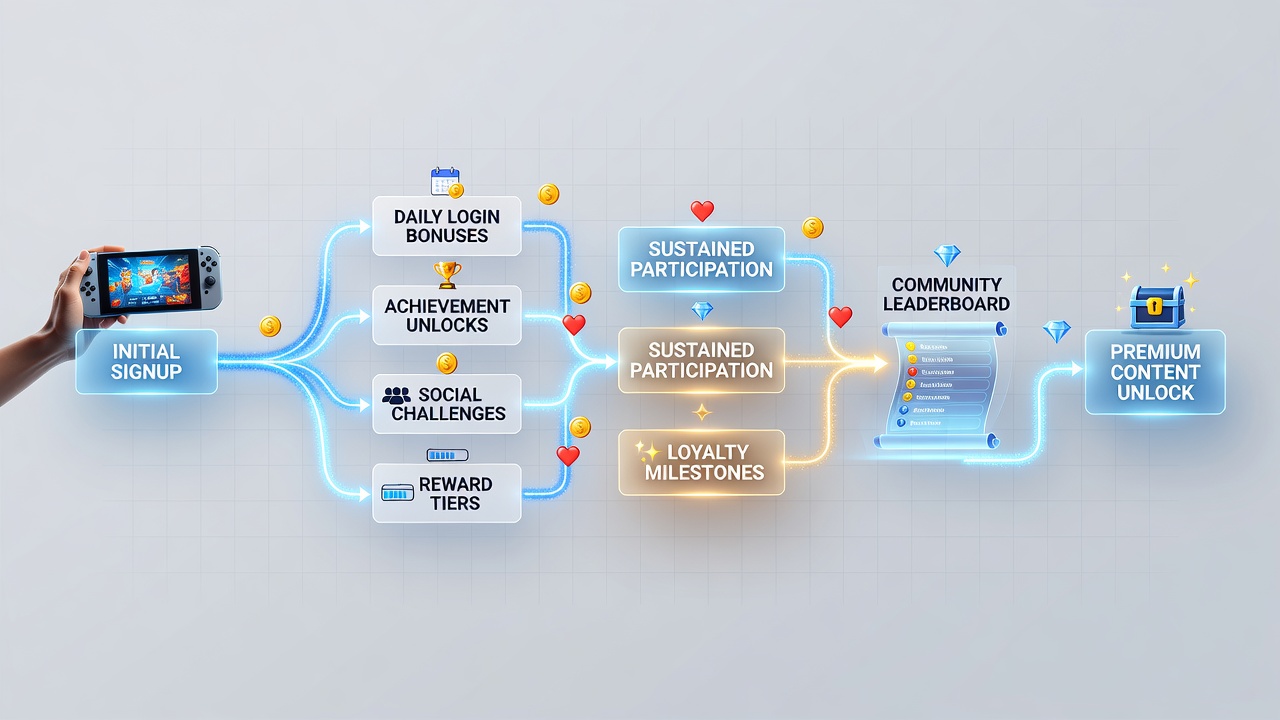
Portable gaming platforms rely on structured sequences that guide users from registration toward ongoing activity, and researchers track these sequences through data on incentive deployment across mobile applications and cross-device formats. Registration typically begins with basic account creation using email or social login options, followed by verification steps that include identity confirmation and device compatibility checks before access to core features unlocks. Incentives activate at this entry point, with welcome packages often delivering matched deposits or free credits that apply directly within portable interfaces. Studies from academic institutions indicate that mobile-specific formats accelerate these early transitions because users complete signup in under two minutes on average when apps optimize for touch input and biometric authentication. Once inside the platform, participants encounter tiered rewards that scale with initial activity levels, such as daily login streaks or task-based bonuses tied to tutorial completion. These mechanisms connect directly to sustained patterns because data shows repeat logins increase when incentives refresh on a 24-hour cycle.Early-Stage Incentive Triggers and Conversion Data
Conversion from signup to first deposit frequently hinges on time-limited offers that appear immediately after account activation, and figures from regulatory reports in Canada reveal that portable gaming apps achieve higher uptake when bonuses display in-app rather than via external email. Observers note that push notifications play a central role here, prompting users to claim rewards before expiration while the session remains active on their device. One analysis of app telemetry found that participants who redeem an initial incentive within the first hour demonstrate retention rates 35 percent above those who delay.
Geographic variations influence these pathways, with markets in Asia-Pacific regions emphasizing social sharing bonuses that allow users to extend rewards to contacts, whereas European platforms focus on loyalty points that accumulate across multiple game types. In both cases the structure remains consistent: incentives function as bridges between registration and deeper engagement rather than standalone promotions.
Progression Mechanisms and Mid-Term Retention
After the onboarding phase, platforms deploy progressive structures such as level-based achievements and personalized challenges that adapt based on play history. These elements appear in the middle of user timelines, typically between the second and fourth week, and they maintain momentum by offering escalating returns for consistent participation. Data collected through industry tracking tools shows that mobile users respond strongly to streak multipliers, where consecutive days of activity unlock additional portable-format rewards like accelerated withdrawal processing or exclusive tournament entries.
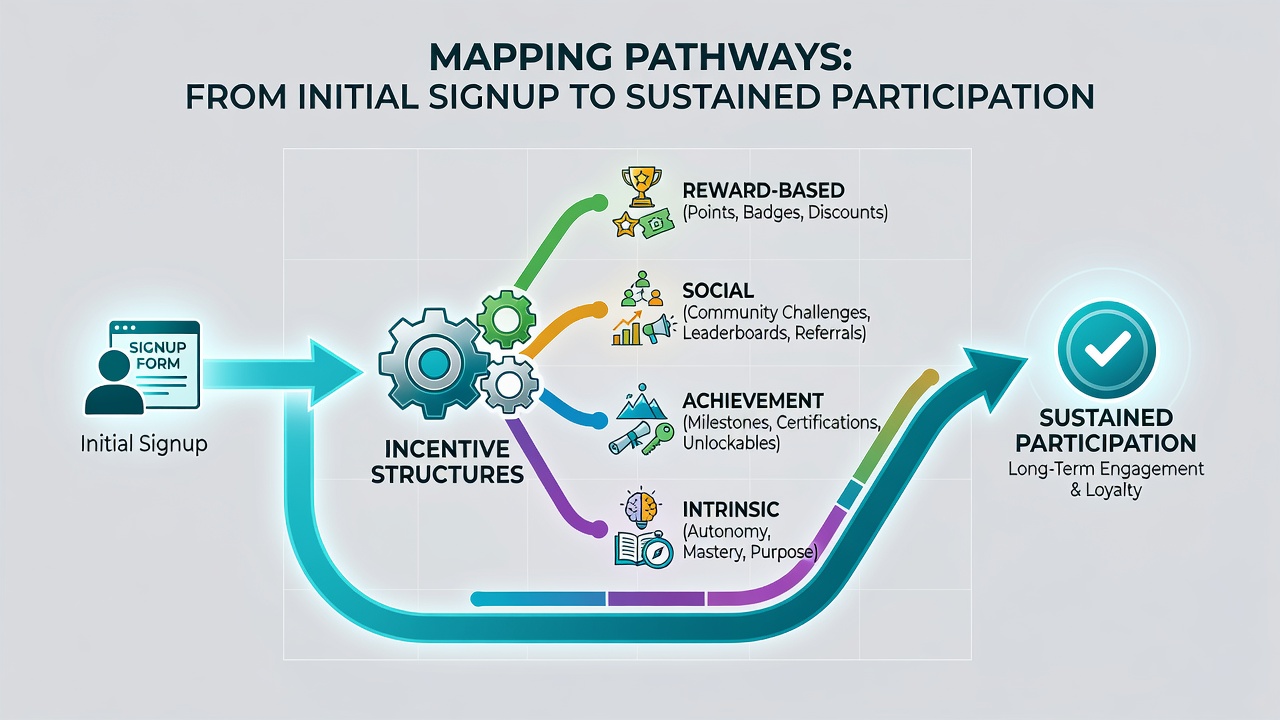
Research conducted at institutions focused on behavioral economics demonstrates that combining monetary incentives with non-monetary elements, such as avatar customizations or leaderboard placements, extends participation windows. In June 2026, platform operators reported stable metrics for these mid-stage programs despite broader market adjustments, with retention curves flattening only when incentive frequency dropped below weekly intervals. Users who engage with at least three distinct incentive types during this period exhibit longer session durations on average, according to aggregated telemetry across multiple operators.
Long-Term Structures and Sustained Activity Patterns
Sustained participation emerges when initial and mid-term incentives transition into ongoing frameworks like VIP tiers and subscription-style reward clubs. These later-stage programs collect user preferences to tailor offers, including reload bonuses delivered through push channels optimized for portable devices. Evidence from government statistical agencies in Australia indicates that platforms maintaining transparent tracking of incentive redemption rates sustain higher active user bases over six-month periods compared with those that rely solely on one-time promotions.
Cross-platform continuity features further support these pathways by allowing progress to transfer seamlessly between phones and tablets without resetting incentive balances. Analysts have observed that such continuity reduces churn because users avoid losing accumulated rewards when switching devices mid-session. Programs that integrate community elements, such as shared challenges or referral trees, add another layer that reinforces habitual return visits.
Measurement Approaches and Outcome Indicators
Operators evaluate pathway effectiveness through metrics that include time-to-first-incentive, frequency of repeat claims, and lifetime value segmented by incentive exposure. Reports from research organizations tracking global gaming trends highlight that portable formats generate clearer attribution data because device identifiers remain consistent across sessions. This clarity enables adjustments to incentive timing, such as shifting bonus availability to evening hours when mobile engagement peaks in certain regions.
Pathway mapping also incorporates feedback loops where low-engagement users receive targeted re-engagement incentives, often in the form of no-deposit credits delivered directly to the app home screen. These interventions demonstrate measurable lifts in return rates when deployed within 72 hours of detected inactivity.
Conclusion
The documented sequences from registration through layered incentives to sustained involvement reflect deliberate design choices that portable gaming platforms refine using performance data. Continued observation of these patterns provides operators with actionable insights into how different incentive types influence user trajectories across mobile environments.