How Seasonal Weather Patterns Shape Attendance and Game Selection at Mountain Resort Entertainment Venues
Written by Viktor Schmidt · Aug 22, 2026
How Seasonal Weather Patterns Shape Attendance and Game Selection at Mountain Resort Entertainment Venues
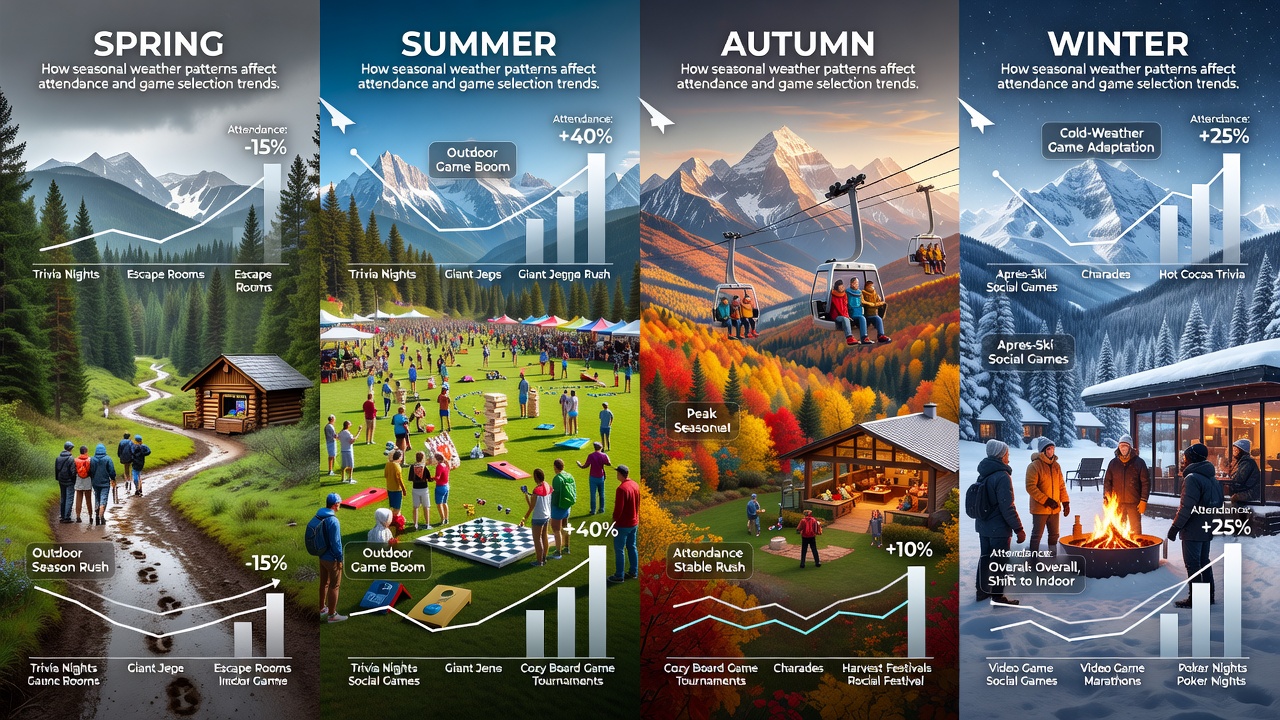
Seasonal weather patterns in mountainous regions create distinct cycles that directly influence visitor numbers at resort-based entertainment venues, and those patterns also steer choices toward specific indoor activities when outdoor conditions turn unpredictable. Heavy snowfall, temperature swings, and precipitation events alter travel routes while prompting shifts in how guests allocate their time once they arrive at properties nestled in ranges like the Rockies or the Alps.
Winter Conditions Drive Indoor Focus
Winter storms often reduce road accessibility yet increase demand for sheltered entertainment once travelers reach their destinations, and data from regional tourism reports show attendance at indoor game areas rising by as much as 30 percent during extended snow events. Venues respond by extending hours for table games, arcade setups, and interactive displays because guests remain on-site longer when trails close. Observers note that families and groups gravitate toward multiplayer experiences that accommodate variable group sizes, whereas solo visitors favor quick-session options that fit between weather updates.
Resorts in Colorado and British Columbia report similar patterns where early-season powder draws crowds but mid-winter blizzards concentrate activity within heated lobbies and gaming floors. Those who've tracked reservation systems find that advance bookings for evening entertainment packages climb when forecasts predict multi-day snow accumulation, allowing operators to adjust staffing and inventory accordingly.
Summer Shifts and Transitional Months
Summer thunderstorms and wildfire smoke events produce the opposite effect by pushing midday visitors indoors during peak heat or poor air-quality hours, and attendance data collected through 2025 indicate a measurable uptick in air-conditioned lounge and game zones on such days. August 2026 has followed this trend, with scattered afternoon storms across several western ranges prompting guests to select shorter, high-engagement activities rather than lengthy outdoor commitments. Venues adapt by highlighting climate-controlled options and flexible scheduling that accommodates sudden weather changes.
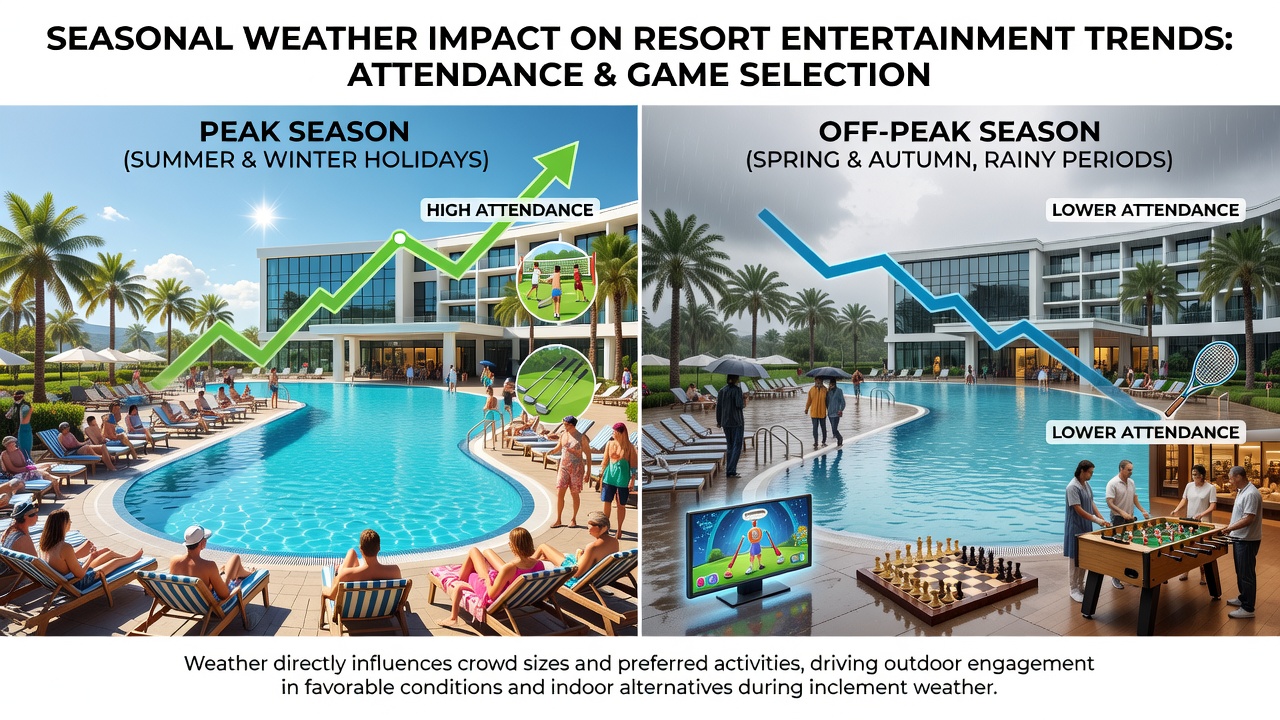
Shoulder seasons introduce additional variability because fluctuating temperatures can alternate between pleasant hiking weather and sudden cold snaps. Research conducted by university tourism programs indicates that venues offering modular game selections, such as convertible spaces that switch between casual and competitive formats, maintain steadier foot traffic during these unpredictable periods. Operators monitor real-time weather feeds to decide when to promote certain titles or experiences that appeal to weather-delayed guests.
Data Patterns Across Regions
Figures released by the U.S. National Park Service illustrate how precipitation totals correlate with same-day ticket purchases at mountain-adjacent entertainment facilities, while statistics compiled by Parks Canada reveal parallel movement toward indoor attractions during both winter closures and summer lightning warnings. These datasets help venue managers forecast staffing needs and inventory levels weeks in advance, reducing waste and improving guest satisfaction metrics tracked through post-visit surveys.
Case studies from multiple properties demonstrate that weather apps integrated with booking platforms allow guests to preview activity options before arrival, and those previews frequently steer selections toward games or shows that require minimal outdoor transit. Analysts tracking mobile check-in patterns find that rainy or snowy forecasts increase reservations for evening entertainment blocks by measurable margins compared with clear-weather days.
Conclusion
Weather-driven attendance fluctuations and corresponding game selection adjustments follow consistent, measurable cycles across mountainous resort regions. Operators who align offerings with forecast data maintain more stable revenue streams, and the same data sets enable researchers to refine predictive models for future seasons. Continued monitoring of these interactions supports more precise planning at venues that depend on both natural beauty and controlled indoor environments.