How Authentication Timelines Shape Game Type Selections Across Secure Digital Environments
Written by Olivia Lehmann · Jul 18, 2026
How Authentication Timelines Shape Game Type Selections Across Secure Digital Environments
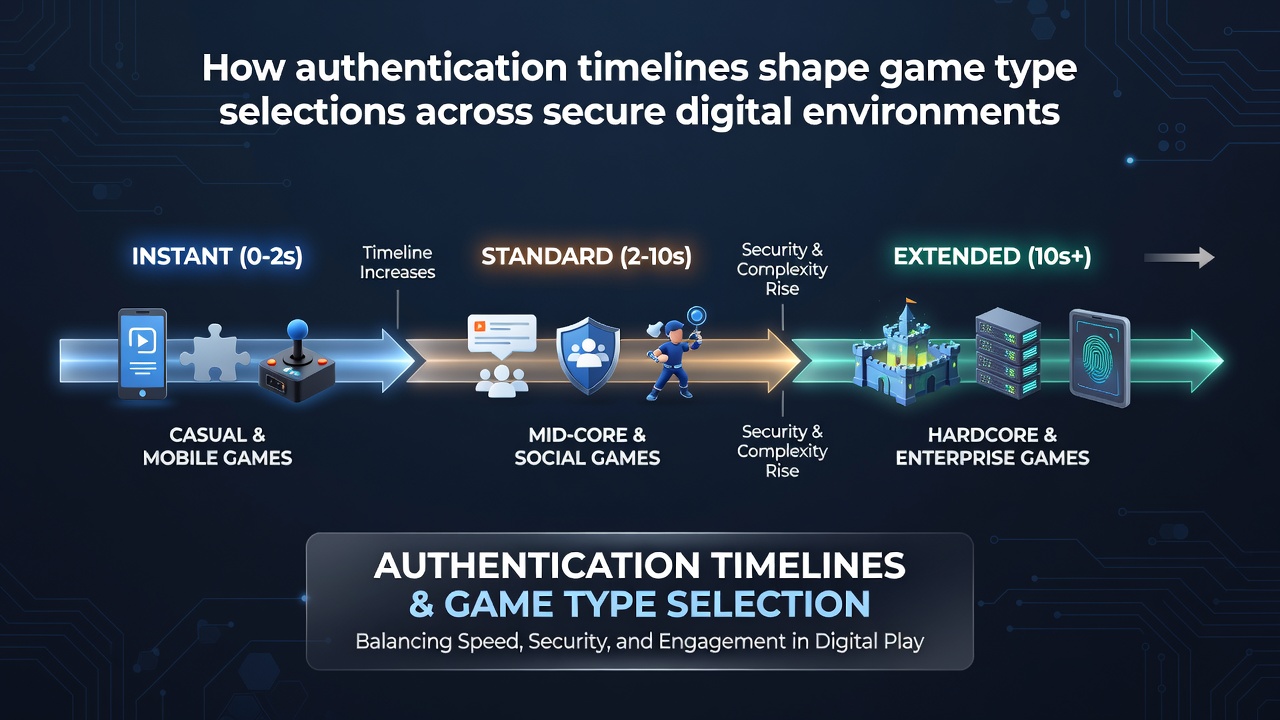
Authentication timelines in secure digital environments determine how quickly players gain access to different game categories, and researchers tracking user behavior across encrypted platforms have documented clear patterns in game type preferences tied directly to verification speed. Platforms that require extended identity checks, device confirmations, and multi-factor steps often see shifts toward simpler game formats that load faster once entry is granted, whereas streamlined processes allow broader exploration of complex titles. Data collected through July 2026 shows these timelines influencing choices in real time, particularly on mobile networks where session interruptions carry higher costs.
Verification Layers and Initial Access Patterns
Studies from multiple jurisdictions reveal that players encountering longer authentication sequences tend to select slot-style games or instant-play formats over strategy-heavy table games or live dealer options. The process itself, which can stretch from under ten seconds to several minutes depending on regulatory requirements and platform security protocols, filters participation before any gameplay begins. Observers note that once a user completes an extended verification sequence, they frequently default to low-commitment titles to recoup time lost during entry, while shorter timelines correlate with higher engagement in multi-round experiences. Regulatory frameworks in regions such as Australia and parts of the European Union have standardized certain verification benchmarks, and industry reports indicate these standards directly affect how operators design onboarding flows for varied game libraries.
Mobile Platforms and Time-Sensitive Choices
Portable devices introduce additional variables because network latency combines with authentication demands to extend total entry time. Research indicates users on cellular connections avoid game types that demand repeated logins or session renewals, steering instead toward titles with persistent states or quick-resume features. One analysis of cross-platform activity through mid-2026 found that authentication delays exceeding forty-five seconds reduced selections of progressive jackpot networks and tournament formats by measurable margins, while instant-win mechanics retained steady participation rates. Those monitoring secure environments have observed that operators adjust game recommendations based on detected authentication history, pushing faster-loading options to users who recently completed lengthy verifications.
Data Tracking and Behavioral Correlations
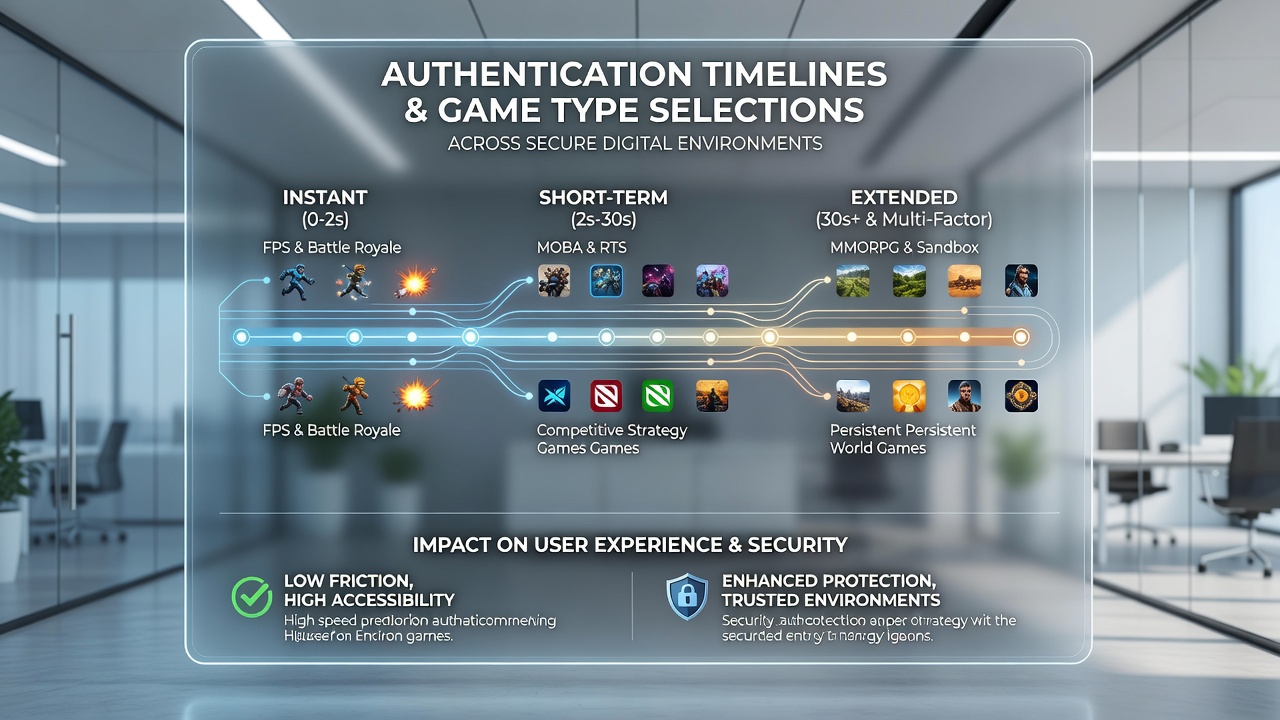
Analytics tools integrated into secure platforms capture precise timestamps from initial login attempts through game launch, creating datasets that link verification duration to genre preferences. According to findings published by the Canadian Centre for Gaming Research, sessions initiated after prolonged authentication show elevated play in automated reel games compared with interactive card or dice variants. These patterns hold across encrypted networks where security certificates and location checks add sequential steps. Platform operators use such correlations to refine interface prompts, offering game filters that account for a user's recent verification experience and current device context.
Additional evidence emerges from academic examinations of user flow in digital entertainment systems. A 2025 report by researchers at the University of Nevada, Reno examined authentication logs against game telemetry and identified that extended verification windows reduced average session depth for live-interaction formats while leaving single-player quick-cycle options largely unaffected. The study tracked thousands of accounts across multiple operators, confirming that players who faced repeated security challenges gravitated toward games requiring minimal re-authentication during extended play.
Regional Regulatory Influences on Timeline Design
Different jurisdictions impose distinct verification mandates that shape how authentication timelines unfold. In the United States, state-level gaming authorities such as the Nevada Gaming Control Board have established protocols requiring periodic re-verification for certain account activities, and these requirements have prompted operators to segment game libraries accordingly. European frameworks emphasize consumer protection measures that sometimes extend initial onboarding, leading platforms to highlight rapid-access categories for verified users. Observers tracking activity in July 2026 noted that operators in markets with harmonized standards experienced more consistent game selection patterns across user cohorts, whereas fragmented regional rules produced wider variance in preferred titles following authentication.
Industry associations including the World Lottery Association have compiled comparative data on how these regulatory differences translate into player behavior. Their aggregated reports show that environments with tiered authentication, allowing quicker entry for returning users, sustain broader distribution across game types, while single-tier strict verification concentrates activity in simpler formats.
Future Adjustments in Secure Systems
Technological refinements continue to alter authentication timelines, with biometric options and token-based systems reducing entry friction in many platforms. Researchers examining these developments report gradual shifts in game type selections as faster pathways become standard, particularly for users on adaptive handheld devices. Secure digital environments that integrate contextual authentication, adjusting requirements based on prior behavior and device trust signals, demonstrate more balanced engagement across categories according to aggregated platform metrics. These evolutions suggest ongoing recalibration between security demands and user access to diverse game offerings.
Conclusion
Authentication timelines function as gatekeepers that steer game type selections within secure digital environments by establishing the practical cost of entry for each session. Evidence from regulatory data, academic studies, and operational analytics demonstrates consistent correlations between verification duration and subsequent player choices, with faster processes supporting wider exploration and extended sequences channeling activity toward quicker formats. As platforms refine these systems through July 2026 and beyond, the relationship between security protocols and game accessibility remains a measurable factor in how users navigate encrypted gaming spaces.