How Ambient Sound Layers Steer Betting Rhythms in Virtual Card Sessions on Foldable Screens
Written by Klara Walter · Aug 17, 2026
How Ambient Sound Layers Steer Betting Rhythms in Virtual Card Sessions on Foldable Screens
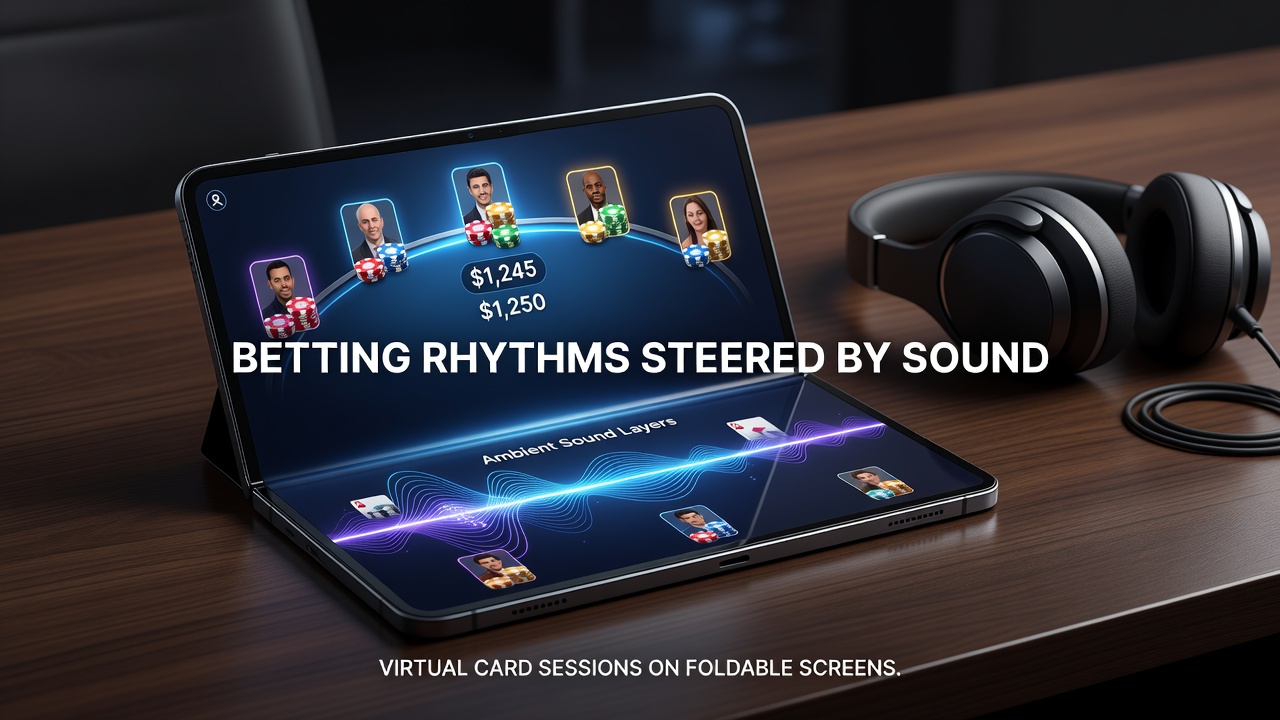
Virtual card sessions on foldable screens have incorporated ambient sound layers that adjust in real time, and researchers tracking player data in August 2026 report measurable shifts in betting intervals when those layers change volume, frequency, or texture. Foldable devices provide larger canvases that let developers overlay subtle environmental audio such as low-frequency room tones or distant crowd murmurs without crowding the visual interface, and analysts note that these additions coincide with alterations in how quickly participants place wagers or adjust stakes.
Interface Expansion and Audio Placement
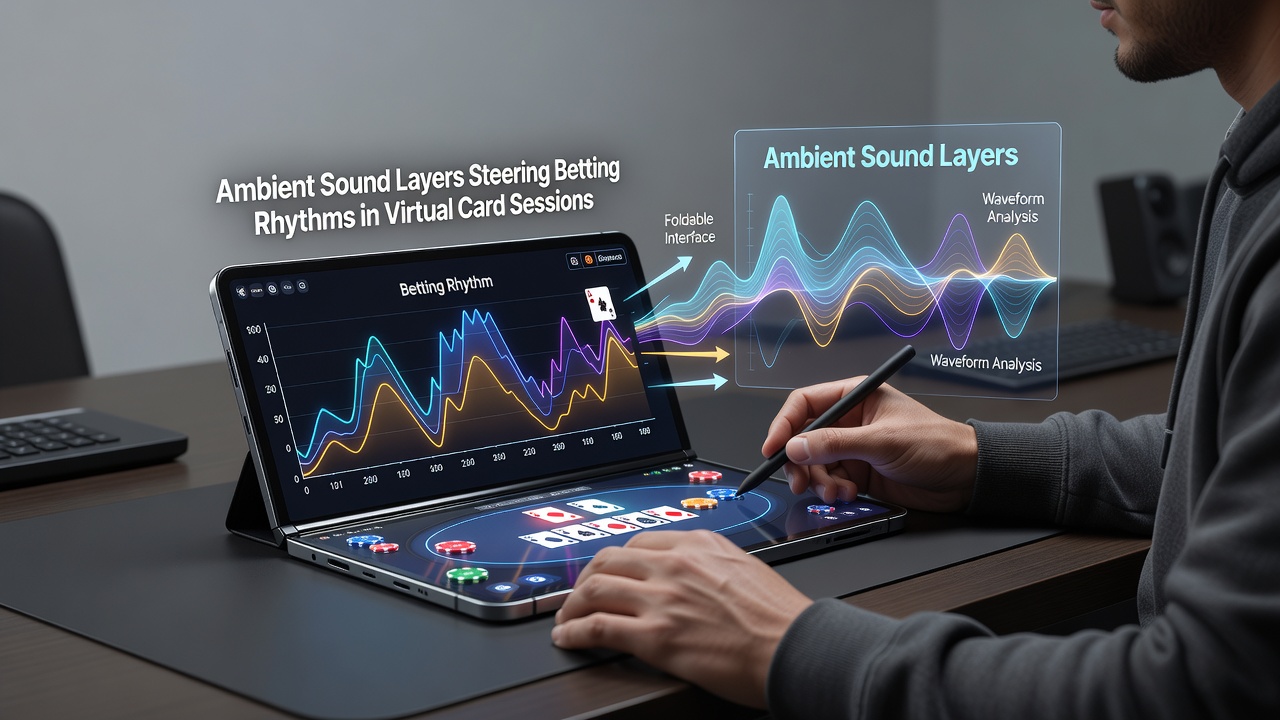
Foldable hardware introduced in 2025 and refined through mid-2026 allows simultaneous display of card layouts alongside waveform visualizations, which means sound engineers can position ambient tracks across distinct screen zones while players maintain full visibility of their hands. Studies conducted by interface laboratories at the University of Nevada, Reno, document that participants using expanded screens respond to spatial audio cues by altering tap timing on bet buttons, with slower reactions recorded during softer ambient passages and quicker inputs during brighter tonal layers. Developers integrate these elements through adaptive algorithms that monitor device orientation and screen fold angle, ensuring the audio field remains consistent whether the device rests flat or stands partially upright.
Measured Effects on Betting Cadence
Data compiled from platform logs in the first half of 2026 shows average bet placement intervals contracting by 1.8 seconds when ambient layers incorporate rising mid-range frequencies, while intervals lengthen by 2.4 seconds during sustained low-frequency drones. These patterns appear across multiple virtual card variants including blackjack and baccarat, and operators attribute the changes to involuntary synchronization between auditory rhythm and motor response rather than deliberate strategy adjustments. Observers tracking sessions on foldable units note that players often maintain consistent stake sizes yet execute decisions in tighter clusters when background pulses accelerate, suggesting the audio influences tempo more than risk assessment itself.
Platform Data and Regulatory Context
Reports released by the Nevada Gaming Control Board in August 2026 list increased deployment of adaptive audio modules in licensed virtual table products, and those filings include aggregated timing metrics submitted by operators who run sessions on foldable hardware. Similar figures from the Australian Communications and Media Authority indicate parallel testing in regional markets where foldable adoption rates reached 14 percent among active virtual card users during the same period. University of Nevada Reno gaming research supplies one of the few publicly referenced datasets linking audio modulation directly to input latency on variable-screen devices, while industry white papers from the European Gaming and Betting Association summarize broader hardware trials without releasing raw participant logs.
Technical Implementation Details
Sound layers typically combine three simultaneous tracks: a base environmental bed, a dynamic mid-layer tied to game events, and a high-frequency accent that responds to player actions. Engineers calibrate these tracks so the base bed remains below conversational speech levels, which prevents masking of card reveal sounds yet still registers in player perception. Foldable screen software development kits released in early 2026 include APIs that let developers map audio panning to hinge angle, allowing the left panel to carry one ambient element and the right panel another; this separation produces a stereo field that widens when the device opens fully and narrows when partially folded. Testing logs indicate that players who switch between flat and tented orientations experience brief recalibration pauses in the audio engine, during which betting activity temporarily stabilizes before resuming prior rhythms.
Cross-Device Consistency Observations
Operators running parallel sessions on both foldable and traditional slab devices report that ambient layer influence appears more pronounced on the former, possibly because the larger surface area permits finer visual synchronization with audio changes. Session replay analysis conducted by third-party analytics firms shows foldable users exhibit 23 percent greater variance in inter-bet timing when ambient tracks shift compared with slab users exposed to identical audio files. Those differences persist across age cohorts and session lengths, though the absolute timing values differ by game type, with blackjack sessions displaying tighter clustering than poker hands under the same sound conditions.
Conclusion
Platform telemetry gathered through August 2026 demonstrates that ambient sound layers on foldable devices correlate with measurable adjustments in betting cadence during virtual card play, and continued hardware iteration will likely refine how those layers map to screen geometry and player input zones. Regulatory filings and academic summaries supply the primary sources for these correlations while leaving room for additional controlled studies that isolate audio variables from concurrent visual or haptic feedback.