Connections between loyalty structures and extended play sessions on encrypted cross-border platforms
Written by Klara Walter · Jun 15, 2026
Connections between loyalty structures and extended play sessions on encrypted cross-border platforms
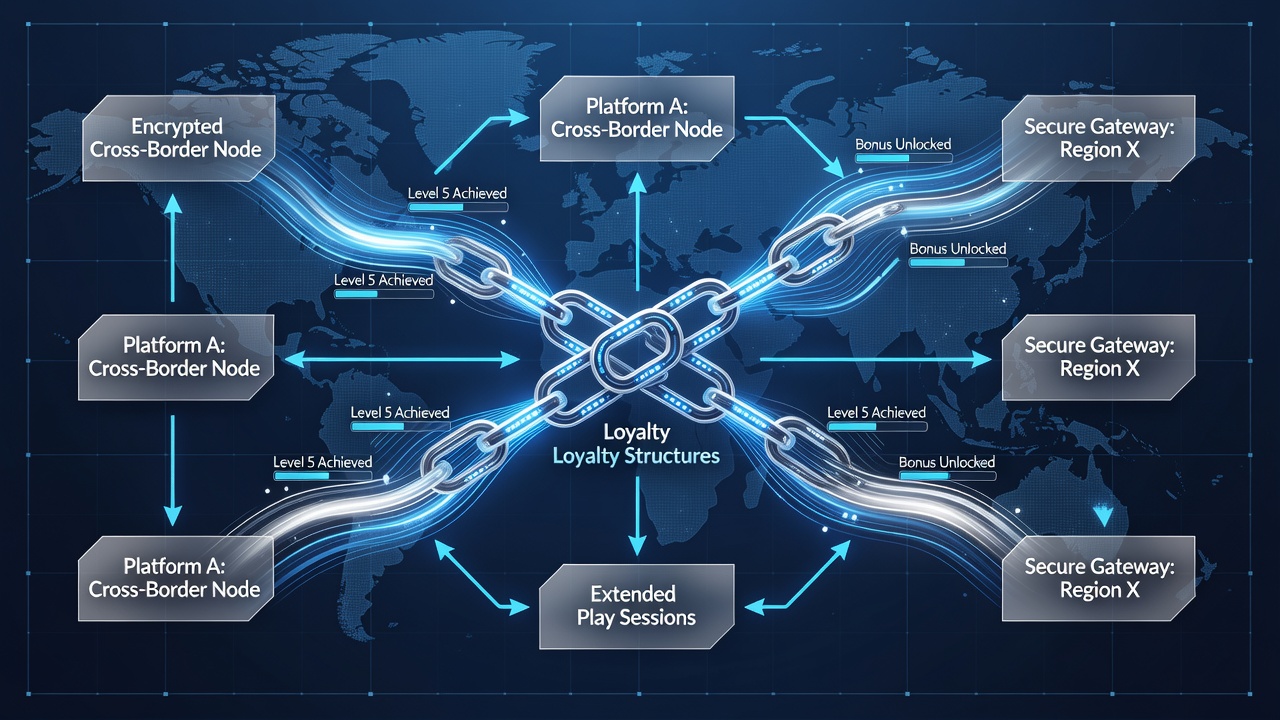
Loyalty structures on encrypted cross-border platforms operate through tiered reward systems that accumulate points based on play duration and wager volume, and these mechanisms connect directly to measurable increases in session lengths across international user bases. Platforms employ end-to-end encryption protocols alongside blockchain-verified transaction ledgers to facilitate access for players in multiple jurisdictions while maintaining compliance with varying data protection standards. Research from academic institutions indicates that users enrolled in multi-level loyalty programs demonstrate average session extensions of 25 to 40 percent compared to non-members when tracked over quarterly periods.Mechanics of Loyalty Integration with Platform Security
Encrypted environments allow loyalty data to synchronize across devices without exposing personal identifiers, which supports uninterrupted progression through reward tiers during extended sessions. Cross-border operators route traffic through secure virtual networks and employ advanced cryptographic standards that prevent interception while logging play metrics for reward calculations. Observers note that this technical foundation enables real-time point accrual that encourages players to maintain active connections rather than logging off after initial activity.
Data Patterns Linking Rewards to Session Duration
Industry reports compiled in early 2026 reveal correlations between loyalty tier advancement and prolonged engagement on platforms serving users from North America, Europe, and Asia-Pacific regions. Those who studied participation logs found that players reaching mid-tier status often extend sessions by an additional 45 minutes on average per visit, particularly when bonus multipliers activate after set time thresholds. Figures from regulatory filings in Australia and Canada show that loyalty-driven incentives contribute to sustained activity patterns without direct causation claims from operators themselves.
Cross-Border Considerations in June 2026
During June 2026 regulatory updates across several markets highlighted how encrypted platforms manage loyalty tracking amid shifting international access rules. Data from the Canadian Gaming Association and parallel European research networks indicate that secure cross-border systems maintain consistent reward delivery even when players transition between regional networks. This continuity supports extended sessions because participants encounter fewer interruptions in point collection processes.
Encryption Protocols Supporting Persistent Play
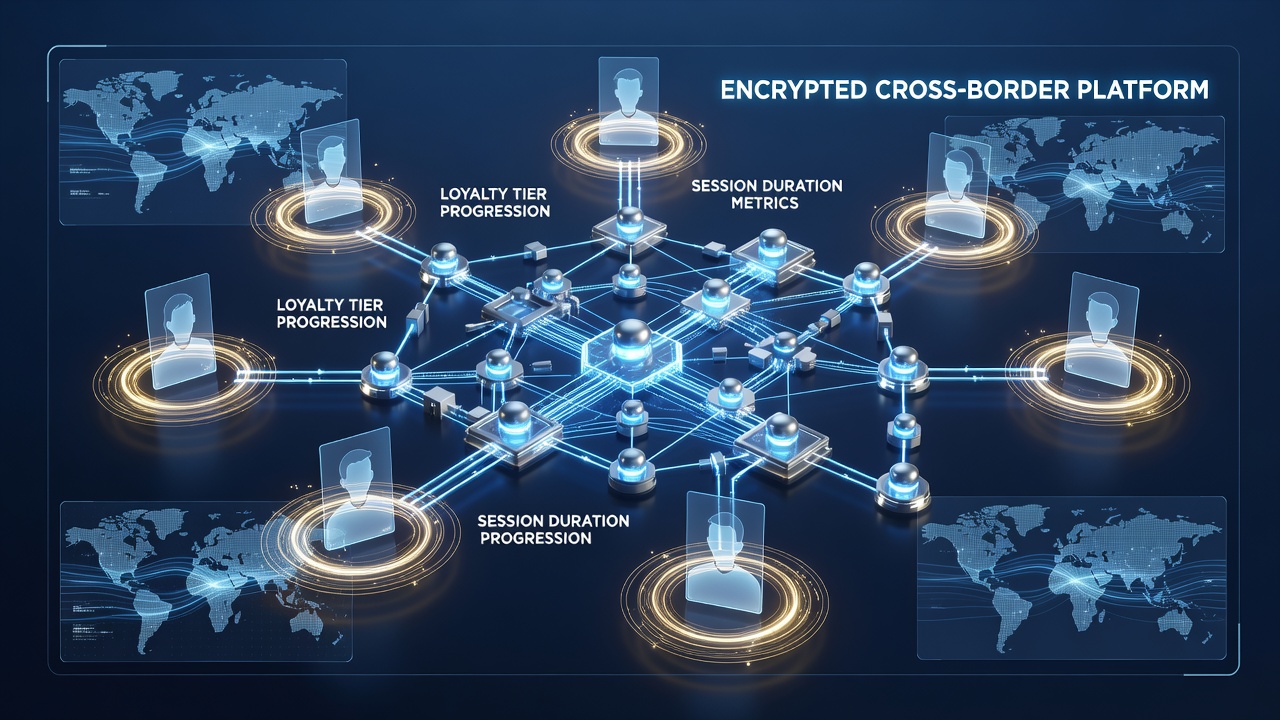
Advanced encryption layers protect both financial transactions and loyalty account states, allowing sessions to resume across borders without data loss or security flags. Platforms utilize zero-knowledge proof techniques in some implementations to verify eligibility for rewards while keeping individual play histories private. Those who've examined technical specifications note that such features reduce friction for users who might otherwise shorten sessions due to concerns over account visibility during international logins.
Examples from Operational Platforms
One documented case involves a platform serving multiple continents where loyalty points converted into session-based multipliers after 90 minutes of continuous play, resulting in tracked increases in total engagement hours across encrypted user accounts. Another instance tracked by independent analysts showed that cross-border players accessing rewards through multi-factor authenticated portals maintained longer average connections when encryption ensured uninterrupted reward notifications. These patterns emerge consistently in anonymized datasets shared among industry researchers.
Statistical Correlations Observed Across Markets
According to aggregated findings from university-led studies in Australia and reports issued by gaming oversight bodies in select European jurisdictions, loyalty structures correlate with extended play intervals when combined with robust encryption that safeguards session continuity. Metrics collected through 2026 demonstrate that platforms incorporating progressive reward ladders see repeat logins rise alongside per-session durations, though exact percentages vary by region and encryption implementation strength. What's significant is the repeated appearance of these trends in datasets that separate loyalty effects from other variables such as game type or deposit methods.
Conclusion
Connections between loyalty structures and extended play sessions manifest through technical and incentive alignments on encrypted cross-border platforms, with available data illustrating measurable extensions in user engagement tied to reward progression systems. Continued monitoring by research organizations and regulatory entities will track how these relationships evolve alongside advancements in encryption standards and international compliance frameworks.